
Menopause Symptoms: Understanding And Managing The Transition
Menopause is a natural biological process that marks the end of a woman’s reproductive years, when egg reserves start to decline rapidly.
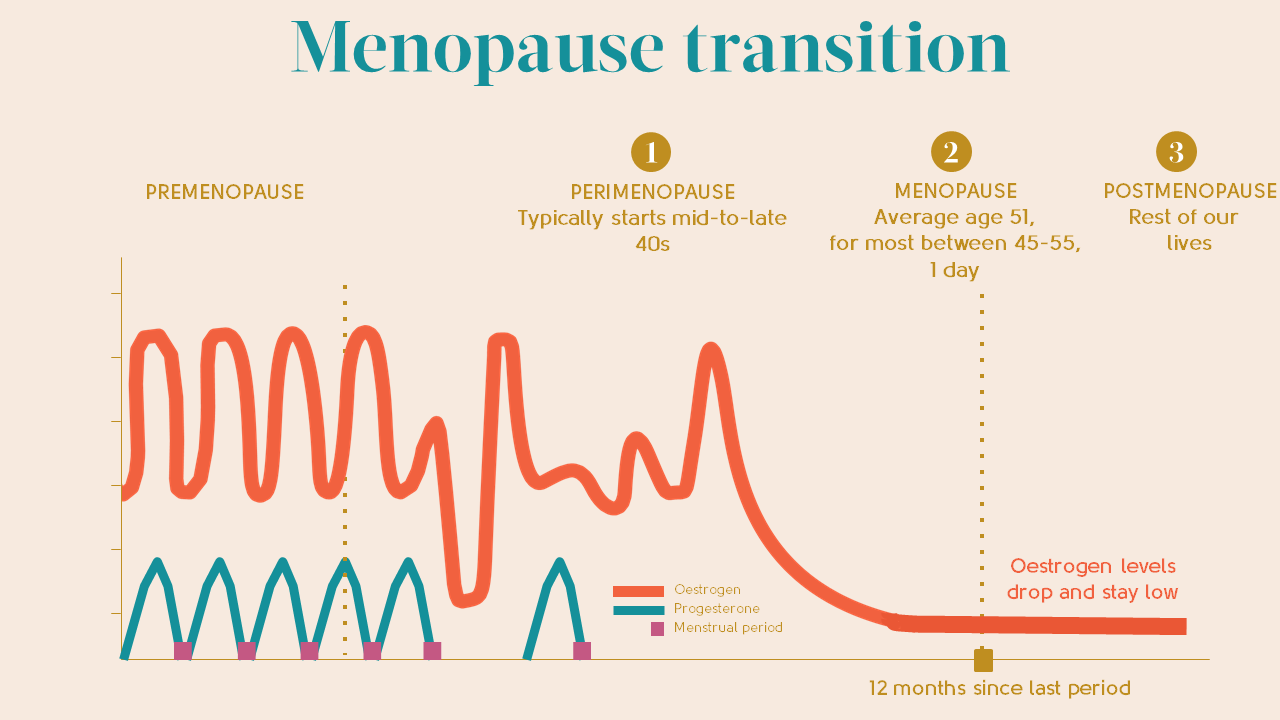
Menopause typically occurs between the ages of 45 and 55, but it can happen earlier or later. The average age for menopause in the UK is 51 years, however women can suffer from perimenopausal symptoms for sometime, even up to as much as 10 years before their final period.
Menopausal symptoms often do occur after a woman’s final period too, however most women on average find that their symptoms settle by 2 years after their last period. Of course, this is not the case for everyone, and some women find their menopausal symptoms can last longer.
Evidence shows around 90% of women going through menopause will have some symptoms, with the most common symptom in the UK being ‘brain fog,’ and not the infamous ‘hot flush.’ Most of these symptoms are caused by declining oestrogen levels during this time.
Menopausal Symptoms
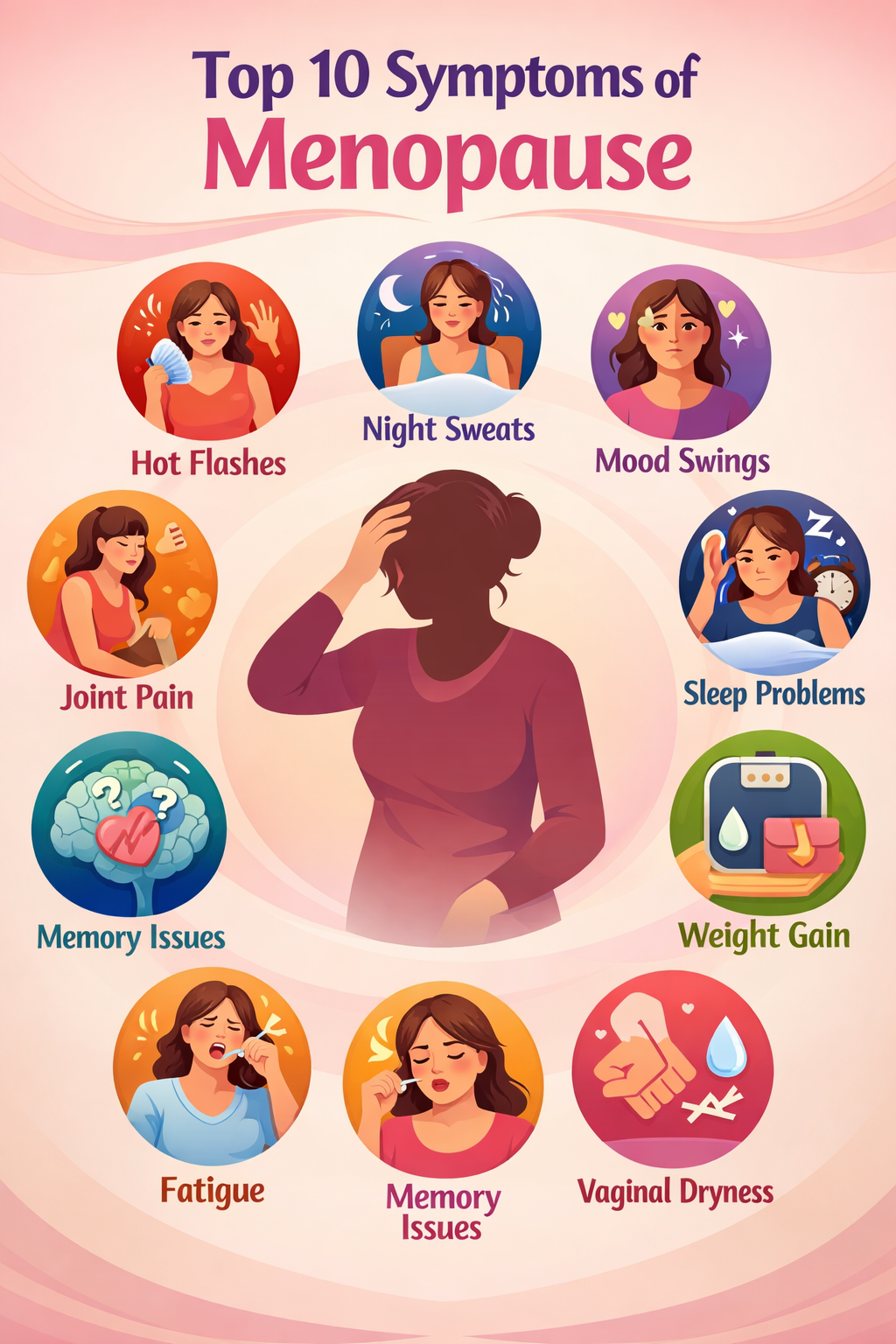
Menopausal symptoms are far more than just the typical ‘ hot flush’ that everyone knows about. There have been over 34 common menopausal symptoms documented. The most common of which in the UK is ‘ brain fog’
Here are a list of just a few of the symptoms you may be experiencing during menopause
Brain Fog
Joint Pain
Low libido
Hot flushes
Word finding difficulty
new allergies
night sweats
anxiety
concentration
depression
mood
tiredness
new migraines
bloating
weight gain
burning tongue
body odour changes
palpitations
loss of hair / thinning of hair
insomnia
brittle nails
There is hope
It’s not doom and gloom… there is help out there, whether it be Hormone Replacement Therapy (HRT) or Nutrition and lifestyle that you’re looking for.. there are many changes we can make that can help use to ease through this transition. Finding other women to talk to about your menopause experience is really beneficial too, as you realise you are definitely not alone during this time.
If you would like medical help – please check out or ‘Medical Help’ page to source your local GP / menopause advice. There are also plenty of tip and tricks on our ‘ Nutrition and Lifestyle’ page.
Health Implications Of Menopause
As our oestrogen levels decline, we also loose some of the protective benefits that oestrogen offers.
Bone Density
Lower Oestrogen levels mean that our bones are not as well protected from Osteoporosis. There is a decline in bone density that occurs through menopause and later in life, which makes our bones more ‘ porous’ and increases our risk of breaking/ fracturing our bones as we get older. It is really important that everyone through menopause and afterwards takes a vitamin D supplement of at least 1000 IU a day and a calcium supplement.
Muscle Mass
As we transition through the menopause our muscle mass decreases. This is why weight training is essential. Weight bearing exercises such as lifting weight will also help with our bone density. The added benefit of weight training is also to increase your metabolic rate – which otherwise declines through menopause.
Cardiovascular risk
As oestrogen is protective for our cardiovascular system and is anti-inflammatory – our risk of cardiovascular disease also increases as we transition through the menopause into later life. It is therefore of paramount importance to exercise well, and to eat well
Metabolic risk
As we transition through menopause, our insulin sensitivity also decreases – meaning we become more at risk of type 2 diabetes. Our hormones also effects our metabolism of glucose, and so we can start craving sugar at certain times of the month ( namely before our periods)
It is essential then that during these times we eat little and often and keep out protein intake up ( see our nutrition and lifestyle page)
If you would like to know more about menopause, please get on contact for information about local events or check out our list of resources.