Nutrition - We Are What We Eat!
Food makes a BIG difference
Food is nourishment to support our hormones, energy, bones, muscles, brain, mood and so much more. We find that our nutritional requirements change as we transition through menopause. In addition to this – there are also foods that can help to manage our menopausal symptoms.
It can be so daunting to start to change your diet and lifestyle and many women can often get overwhelmed with information and feel paralysed. This is why we recommend that you make one change at a time, and take 3-6 weeks of concentrating on consolidating your new behavioural change to make it a habit before moving onto the next thing.
A good place to start is to make a food diary and to look at your current intake of macronutrients and start with small adjustments.
Nutritional Requirements During Menopause - What Changes?
PROTEIN
Why is protein so important during menopause?
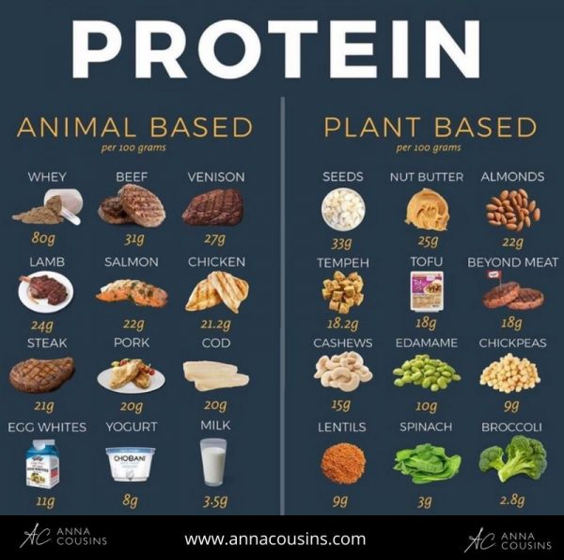
Protein is important during menopause to help us regulate out blood sugar levels by slowing the absorption of carbohydrates in the gut and therefore reducing insulin spikes. It has the added benefit of keeping us fuller for longer and reducing those dastardly cravings, and is essential for building lean muscle mass. The more lean muscle mass you have, the more tones you are the higher your metabolic rate – i.e. the more calories you can burn throughout the day. Protein is also essential for healthy skin, hair and nails. If you have noticed you hair becoming thin during menopause – it could be a sign that you need to increase your protein in your diet.
Recommended protein intake per day
1-1.5g of protein per kg of body weight per day.
So for an average 70kg woman – this would be between 70-105g of protein a day.
FIBRE
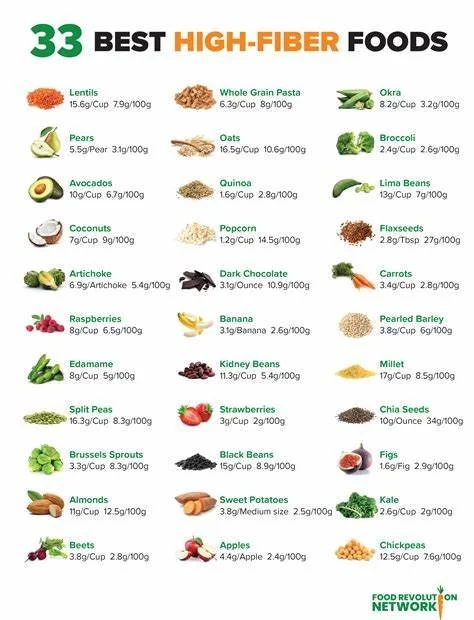
Fibre is ESSENTIAL during menopause. IN addition to keeping you bowel habit regular – fibre also helps to clear toxins from the systema nd also helps to clear all those liver pathways that are involves with oestrogen metabolism.
Fibre also helps a healthy gut microbiome. Studies have shown that the gut microbiome changes due to fluctuating hormone levels during perimenopause and menopause. This can account for some of the changes to weight, food cravings and glucose metabolism. By ensuring we have enough fibre – we are giving our gut flora the basic building blocks to build a health gut microbiome.
The recommended fibre intake per day is 30g per day.
LOW GLYCAEMIC INDEX FOODS
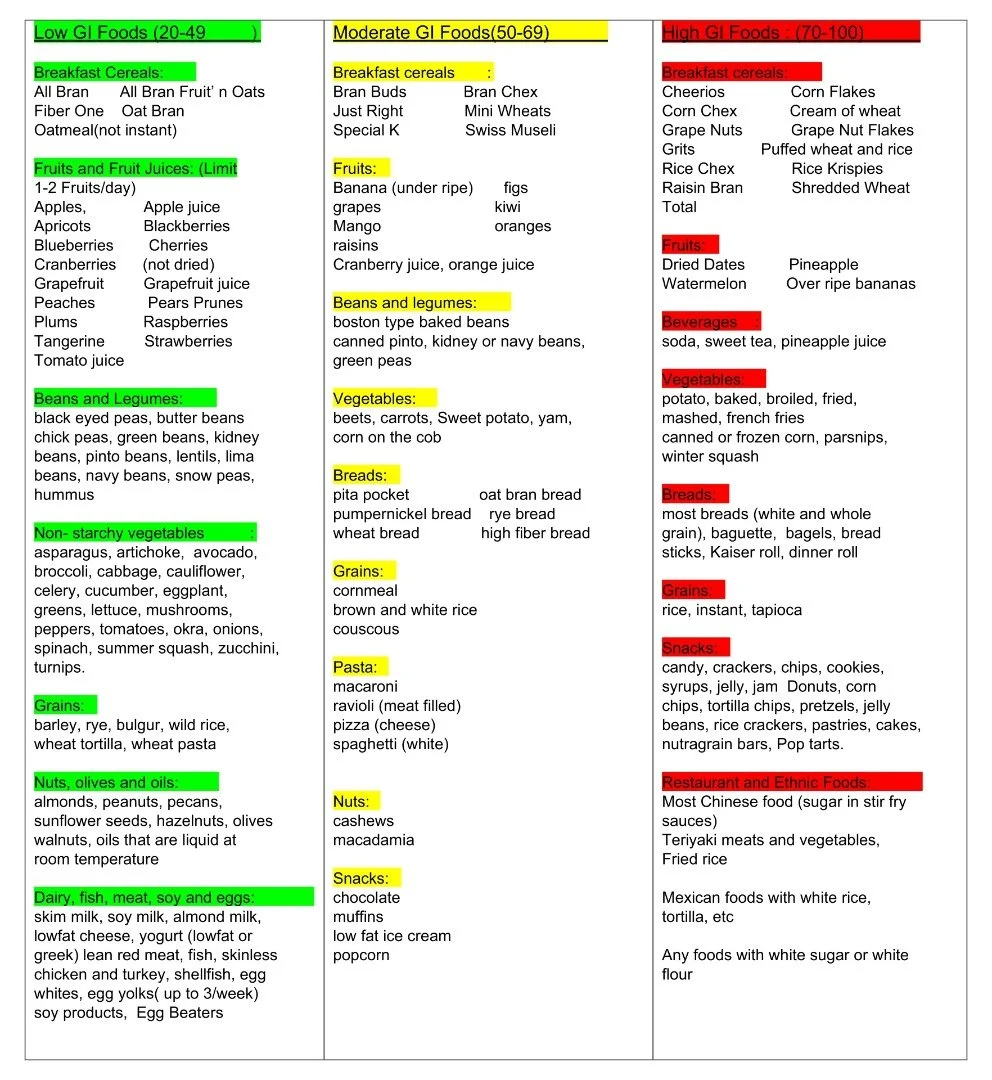
During menopause our regulation of our blood glucose can change- often leading to blood sugar spikes and dips. A recent study found that by keeping blood glucose stable you can reduce hot flushes and insomnia by up to 90%. This study took what a women ate in a 24 hours period and spread out eating windows to every 2 hours. It is advised that we stay away from high sugar foods and stick to foods that provide a slow and steady release of glucose – these are called low glycaemic index foods.
Supplementation